
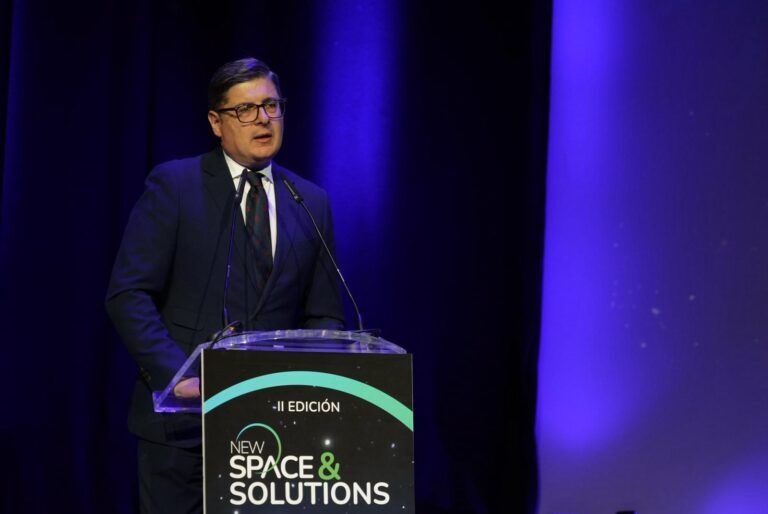
- The Head of Economic Affairs at Seville City Council, Álvaro Pimentel, has highlighted the city’s position as one of the main centres of the aerospace sector in Europe, emphasising that Seville “is already a fully-fledged space hub” and that its ambition is to become the major technological metropolis of southern Europe by 2030.
- The third day of New Space & Solutions 2026 focused on the connection between universities, public administration and the business community as a key driver for the development of the New Space ecosystem, consolidating the event’s role as a strategic meeting point for the sector.
The second edition of New Space & Solutions saw one of its most intense days on its third day, with a programme centred on the connection between universities, public administration and the business community as a key driver for the development of the New Space ecosystem.
One of the highlights of the day was the interview conducted by María Medina, director of Medina Media Events, the event organiser, with Álvaro Pimentel, Deputy Mayor of Seville and the City Council’s delegate for the Economy. “Seville has strengthened its position as one of the main hubs of the aerospace sector in Europe, consolidating a strategy based on public-private collaboration, attracting investment and developing talent”. This was highlighted by Álvaro Pimentel, who emphasised that the Space Forum is “the true nerve centre of Seville’s aerospace positioning”, a key tool that enables “Seville to speak with one voice in the face of major global challenges” and which already brings together more than 40 organisations from the sector.
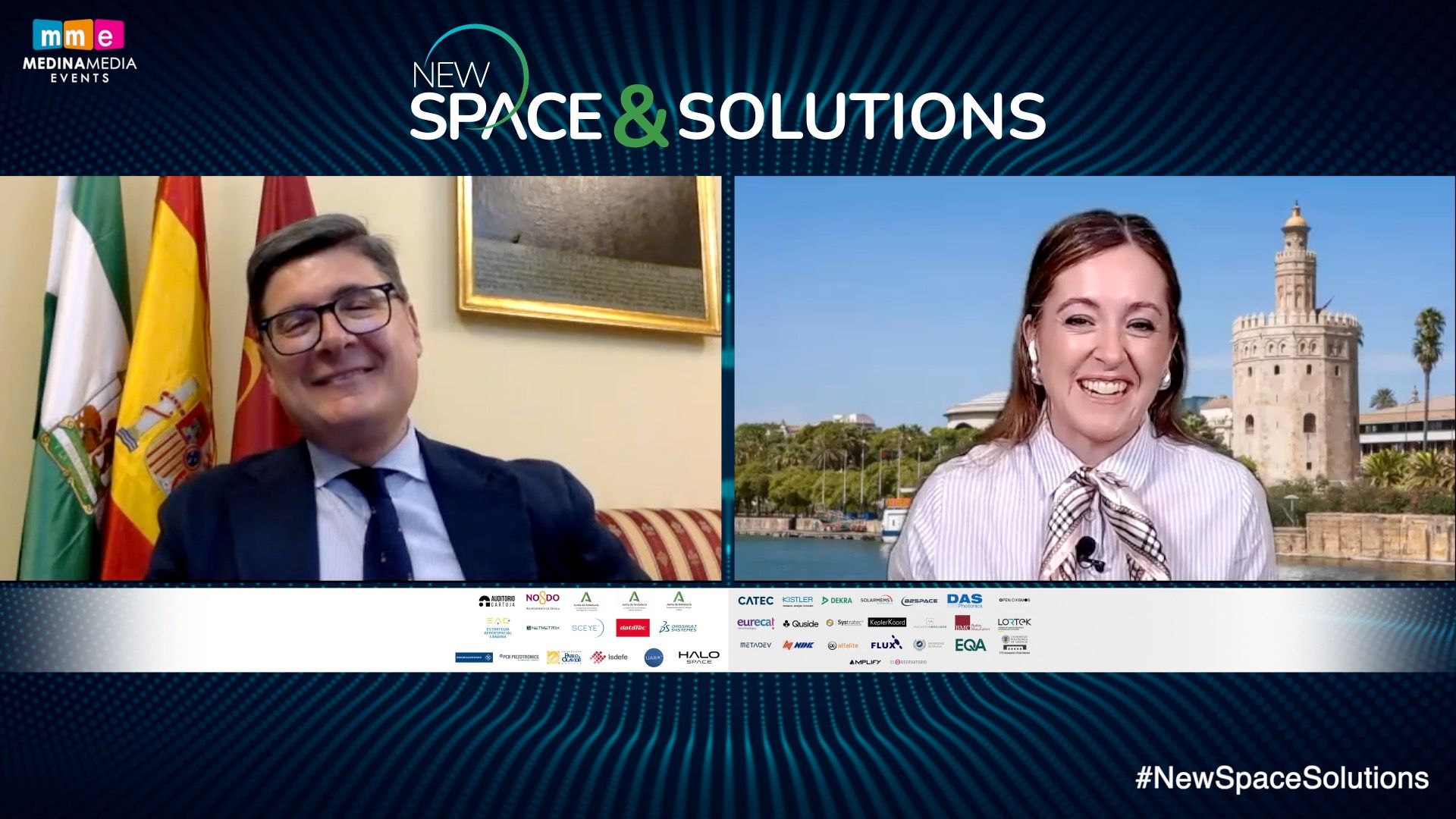
The growth of Seville’s space ecosystem is underpinned by data that confirms its leadership, with a high concentration of companies, public bodies and research teams, as well as a growing impact on the economy and skilled employment. In this regard, Pimentel argued that the Andalusian capital “is not a secondary player”, but has achieved a prominent position as “Spain’s space capital”, further boosted by the arrival of the Spanish Space Agency, which has acted as “a definitive magnet” for investment and international visibility, placing the city “in the top tier of the global aerospace sector”.
This momentum is complemented by strategic projects such as ESA-BIC Andalusia and the future Aerospace District, designed to consolidate a long-term growth model based on innovation and high value-added employment. Pimentel emphasised that “Seville is already a space hub in every sense”, capable of leading the entire value chain, and set out a clear ambition for the future: “By 2030, Seville must be the great technological metropolis and engine of innovation in southern Europe”, with the aim of establishing itself as an international benchmark for the New Space ecosystem.
The event featured an interview with Pedro Duque, Spanish astronaut and president of Hispasat, who highlighted the maturity and strategic nature of the space sector today, emphasising its full integration into the economy and society. Drawing on his experience in exploration, industry and public administration, he argued that “space must be approached like any other economic and social activity”, stressing that the New Space paradigm responds precisely to this evolution.
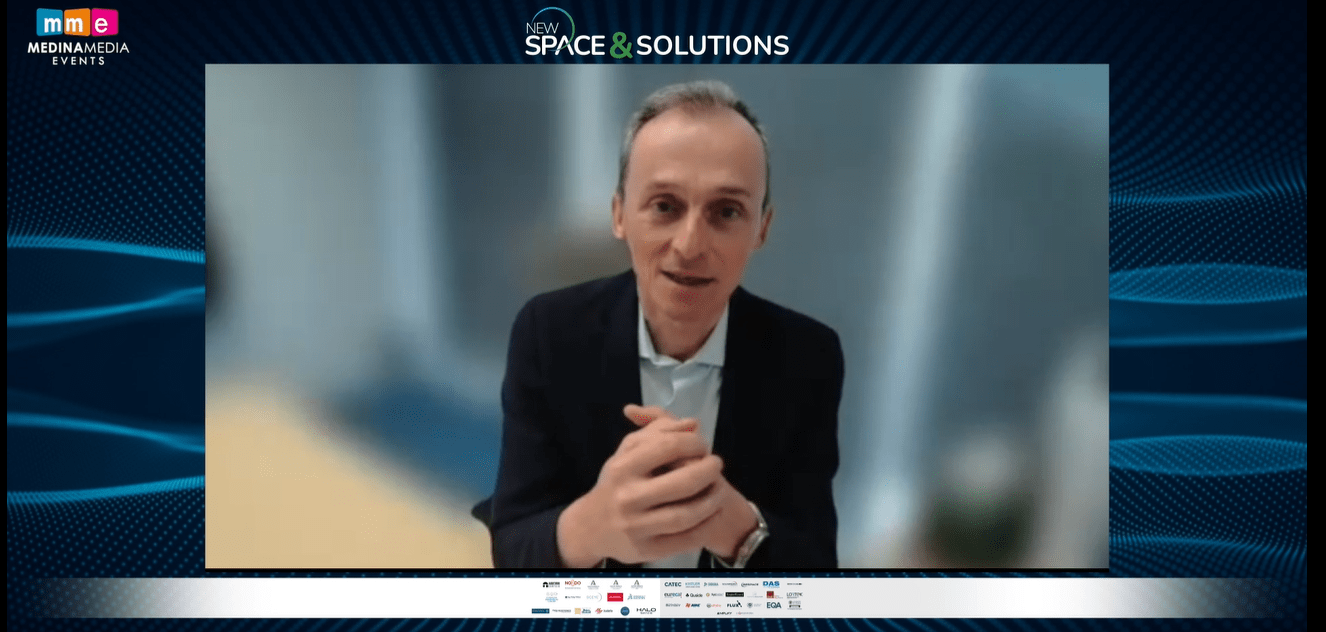
As president of Hispasat, he emphasised the importance of connectivity as an essential service and the ambition to make progress on European projects such as IRIS², whilst warning that satellites are now “critical infrastructure” for sectors such as logistics, security and communications. On the international stage, he insisted that Europe must urgently define its role in the new space race, particularly in light of the return to the Moon, stating that “Europe must decide sooner rather than later, and today rather than tomorrow, if it wishes to be a key player”.
He also highlighted Spain’s potential, noting that “it has achieved a position commensurate with its technological capacity and talent”, though he cautioned about the challenge of accessing private capital. Finally, he sent a clear message about the future: “The expansion of the space sector requires more talent than we currently have available”, emphasising the need to inspire and train the next generations.
The key role of universities
Among the most notable contributions, Francisco Oliva Blázquez, rector of Pablo de Olavide University, highlighted the strategic role of universities in driving the New Space ecosystem, advocating a model based on multidisciplinary collaboration and knowledge transfer. He highlighted the institution’s research capacity, with over €5 million secured in European funding, and announced initiatives such as the Multidisciplinary Centre for Applied Disruptive Technologies ( , CEMTEDA) and a future chair in partnership with the Spanish Space Agency. “New Space goes far beyond aerospace engineering; it incorporates legal, ethical, social and sustainability dimensions,” he stated.
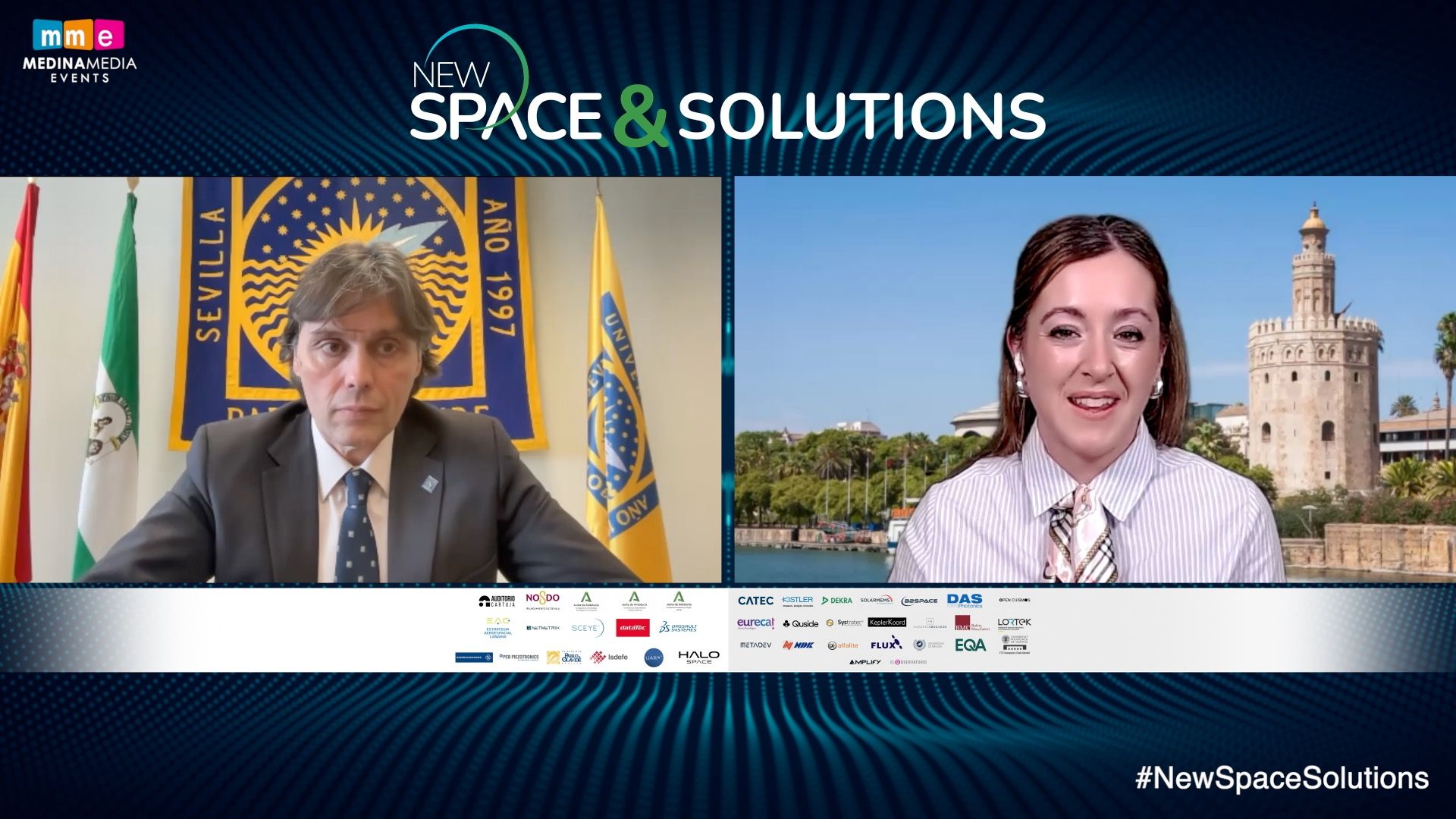
For his part, Pedro Martí, University Professor and Academic Director of the Master’s in Space Engineering at the Polytechnic University of Valencia, highlighted the university’s role as a driver of innovation and knowledge transfer, noting that “our scale is the driving force behind our innovation”. He also presented the new Master’s in Space Engineering and cutting-edge projects in radio frequency, artificial intelligence and small satellites.
Andalusia, talent and technology
The ‘Universities: Talent and Space’ session took centre stage during the conference, highlighting the essential role of the academic sector in the growth of the industry. Andalusian universities demonstrated their leadership in various areas of New Space.
Sergio Fortes, a researcher with the Mobilenet – Mobile & Aerospace Networks Lab (University of Málaga) at the University of Málaga, highlighted Málaga’s role as an emerging hub for space telecommunications, noting that “the great revolution of our time is that mobile phones themselves will become the terminals for accessing satellite networks”.
Guillermo Pacheco, Assistant Professor (PAD) in the Department of Aerospace Engineering and Fluid Mechanics at the University of Seville, presented the new Master’s Degree in Space Systems and Operations, emphasising that “the space sector has changed significantly, driven by the New Space revolution”.
From a legal perspective, Carmen Muñoz, Professor of Public International Law and Director of the University Chair in Aerospace and Astronomical Studies at the University of Jaén, argued that “when we talk about space, it is essential to talk about cooperation”, highlighting the role of Europe and Latin America.
In the applied field, Javier Mesas, a Doctor of Engineering from the University of Córdoba, addressed the use of satellite data in agriculture, stating that “the true value lies not in the data, but in the ability to convert it into information”.
For her part, Sara González de la Torre Muñoz, a lecturer in the Department of Psychology at the University of Cádiz, focused on the human factor in space, noting that “the future is neither human nor artificial, but hybrid”.
Fernando Aguilar, Professor of Graphic Expression in Engineering at the Department of Engineering, University of Almería, presented the SOTER project for satellite-based road monitoring: “The idea is to automatically generate alerts regarding the condition of the road surface using satellite imagery,” he explained. Meanwhile, Francisco Barranco, researcher and senior lecturer at the University of Granada, highlighted the development of the European PROACTIV project, based on autonomous systems for safety and emergencies ( ), with applications in defence and crisis management: “We are not only looking for precision, but for systems that work in the real world, with low latency and low power consumption.”
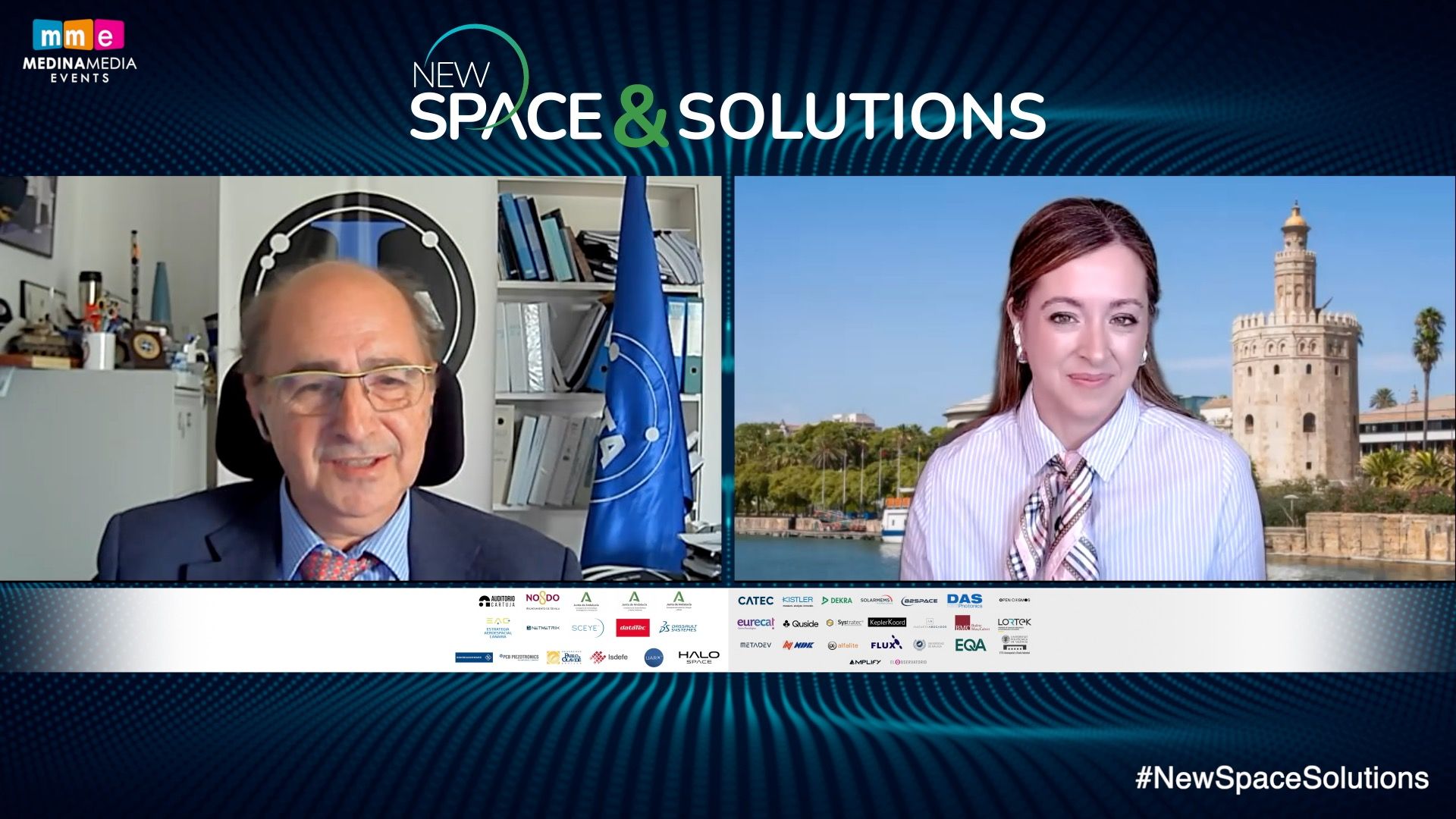
Likewise, Álvaro Gómez Villegas, Technical Head of the El Arenosillo Experimentation Centre (CEDEA) and the Test Centre for Medium and Large Unmanned Aerial Systems (CEUS), speaking on behalf of the University of Huelva, highlighted the importance of the El Arenosillo infrastructure as a key European hub for aerospace testing, with over 60 years of experience and nearly 600 launches carried out without incident. “We are largely unknown, but we possess unique capabilities for the testing and launch of aerospace systems,” he noted
International outlook and talent development
The event also featured notable international participation. Nuno Mendonça, Vice-Rector for Innovation and Industry Relations at the University of Coimbra, highlighted the role of universities as drivers of the ecosystem, noting that “space is one of the strategic areas with the greatest potential for the coming decades”.
From the national academic sphere, Álvaro Parody, Coordinator of the Bachelor’s Degree in Aerospace Engineering at Loyola University, highlighted the importance of talent development through a model based on “learning by doing”, whilst Arancha Manzanares, Director of the Higher Polytechnic School of Engineering at CEU Fernando III University, emphasised that “mathematics is not behind technology, but actually at the helm”.
Sergi Escribano, President of Surtam, highlighted the boom in university rocketry in Spain: “Our vision is for university rocketry to be as common as other engineering programmes and for any university to be able to participate with a solid structure,” he stated. Meanwhile, Nieves Valenzuela, Director-General for Innovation Promotion at the Regional Ministry of Universities, Research and Innovation, presented the Space Innova Andalucía programme as a key instrument for public innovation.
Industry, certification and new opportunities
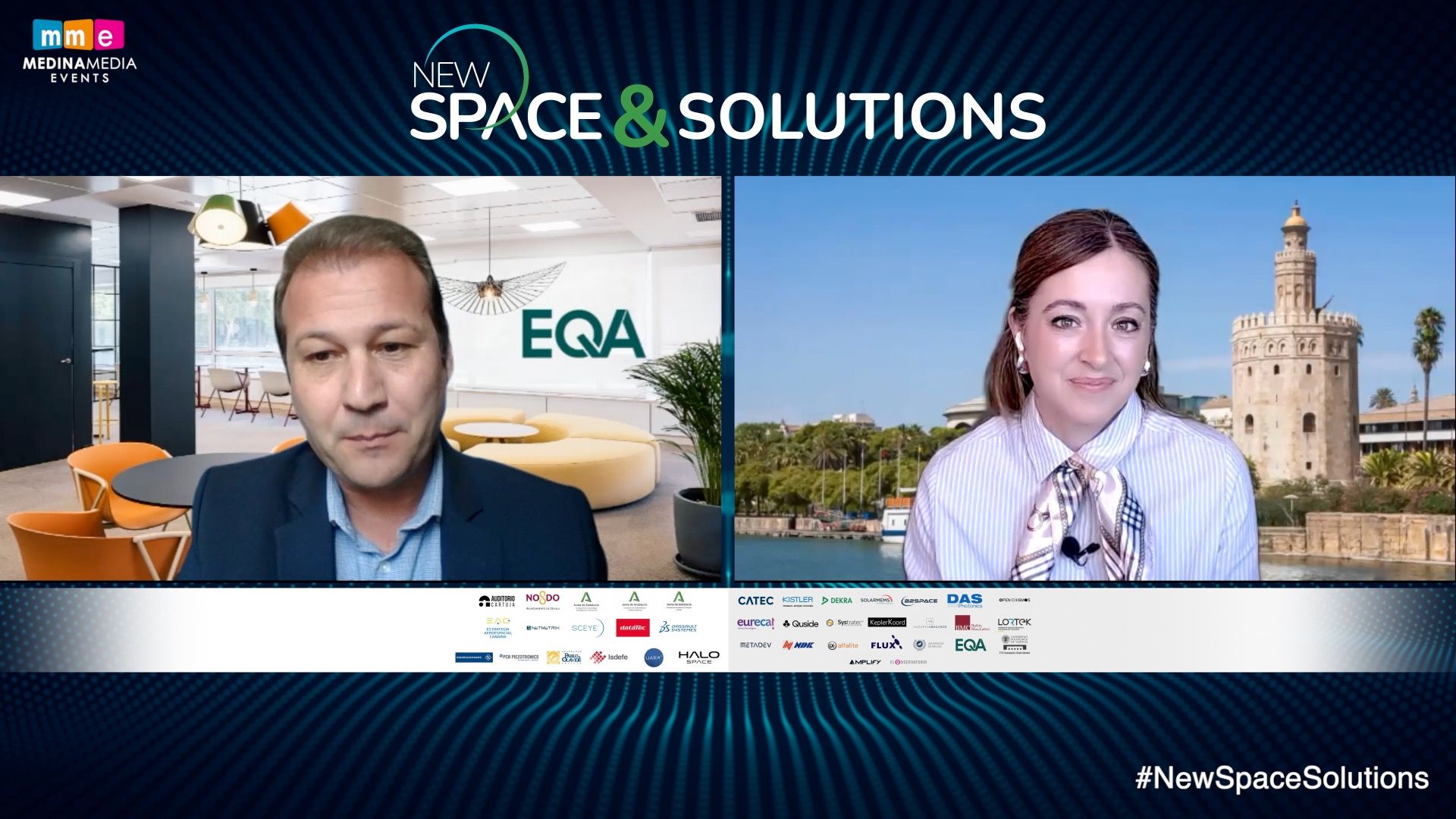
From the business sector, Antonio Ruiz, Technical Manager for Aeronautics and Defence at EQA, focused on certification as a key element of competitiveness: “Certification is not optional, but essential in order to operate,” he warned.
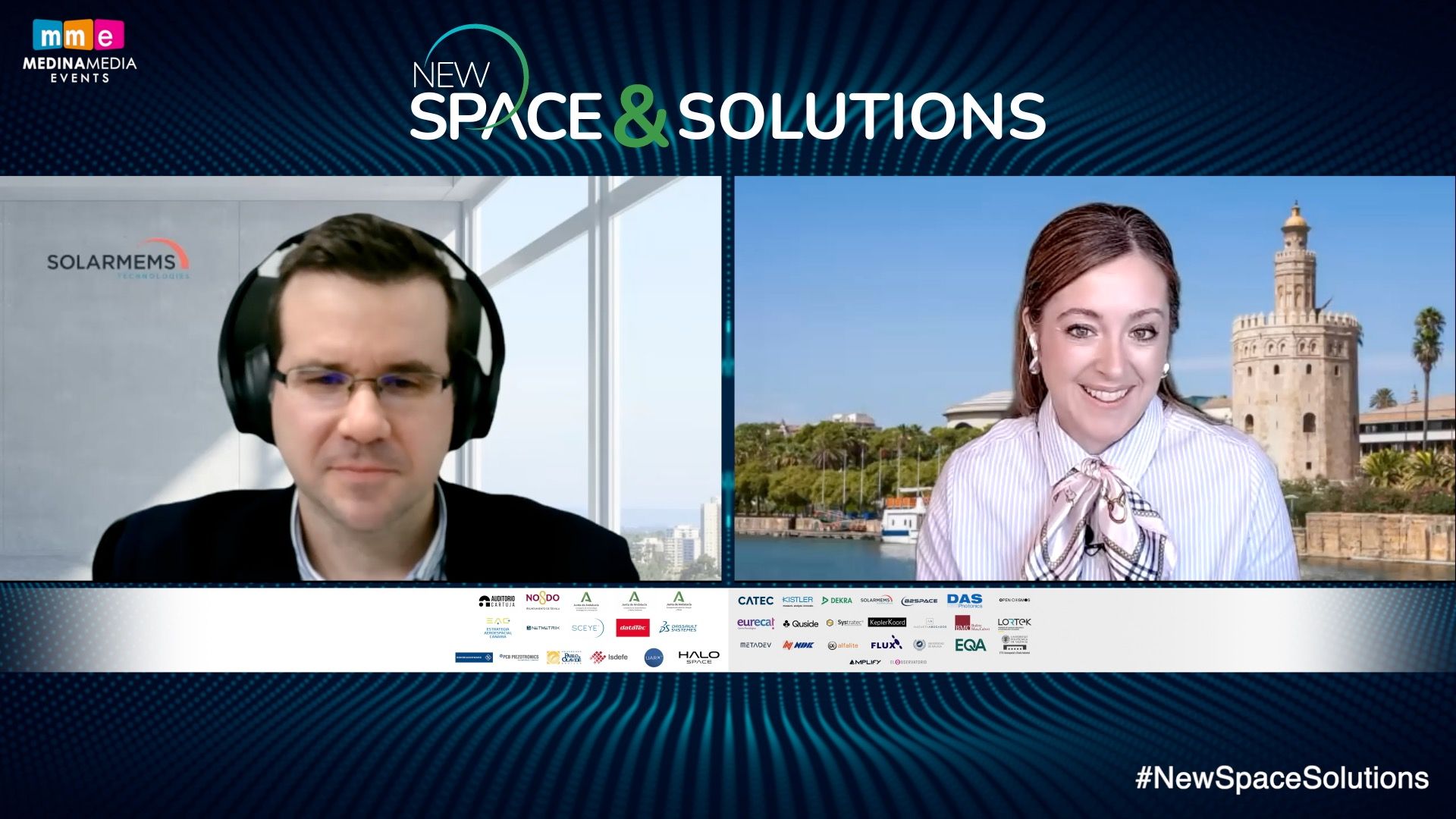
For his part, José Miguel Moreno, CEO of Solar MEMS, highlighted the sector’s growth, noting that “space has become a new economy and a strategic asset”.
Air mobility and opportunities within the ecosystem
The day concluded with two panel discussions addressing the challenges and opportunities within the ecosystem. During the panel discussion ‘Unmanned Aerial Mobility: the CUAM Innovation Ecosystem’ ( ), moderated by Daniel Escacena, Secretary General for Research and Innovation at the Regional Ministry of Universities, Research and Innovation, the strategic role of Andalusia as an innovation ecosystem based on collaboration between universities, industry and defence was highlighted. One of the key points was the promotion of the Centre for Innovation in Unmanned Aerial Vehicles (CUAM), conceived as a driver of technology transfer to the business sector. In this regard, José Ramiro Martínez, Director of CUAM at the University of Seville, emphasised that “CUAM is a transfer-oriented centre, whose aim is to help companies develop products with greater added value”, whilst Antidio Viguria, Director of Avionics and Systems at the Advanced Centre for Aerospace Technologies (CATEC), highlighted that “autonomy will be the key factor in improving safety and efficiency in air mobility”.
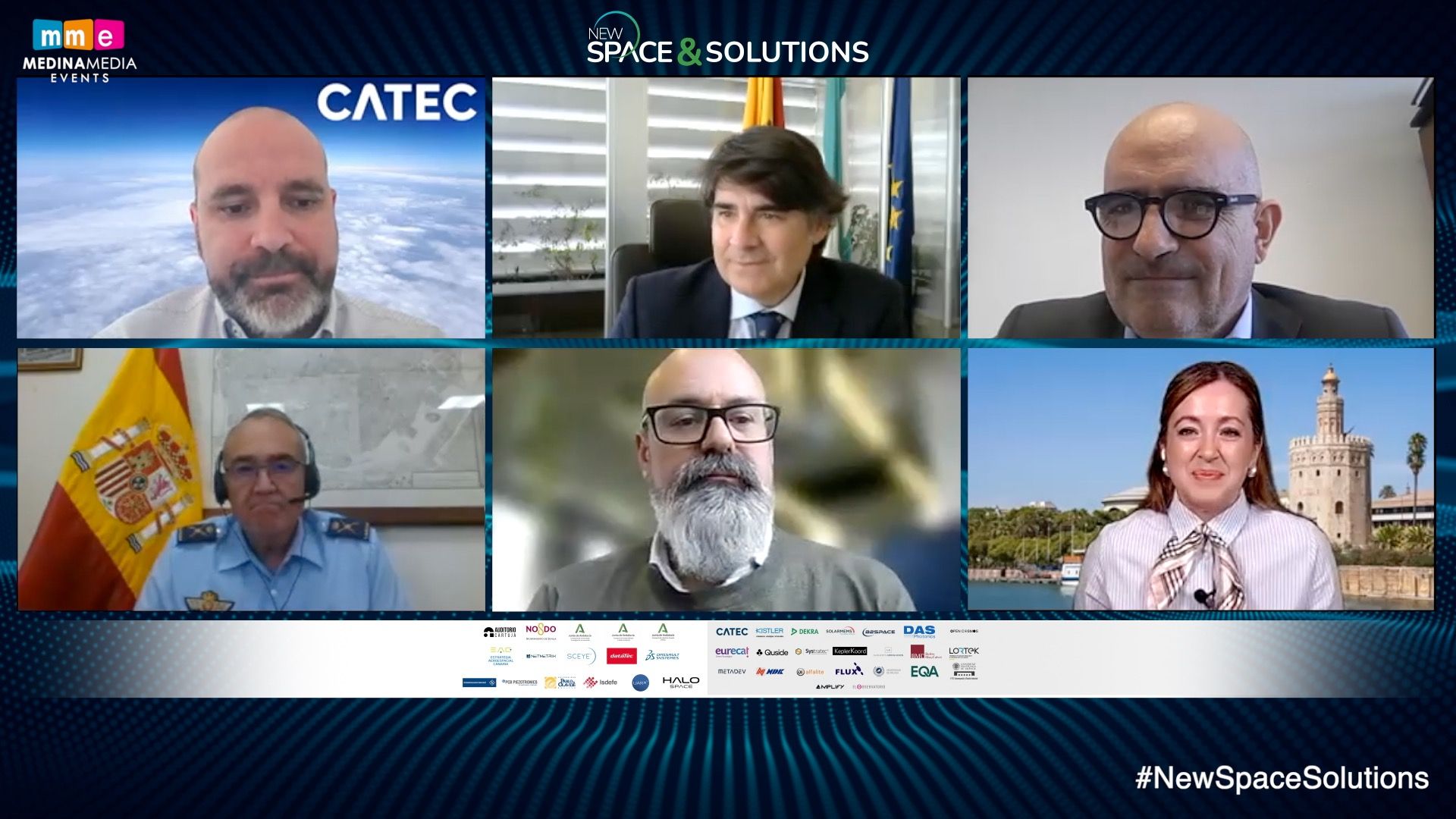
From an academic perspective, Ángel Luis Trigo, Vice-Rector for Innovation, Technology Transfer and Entrepreneurship at the University of Seville, emphasised that this initiative will enable “the cycle between innovation, technology transfer and the training of highly qualified talent to be completed”, and from the defence sector, Brigadier General Rafael Fernández-Shaw, Deputy Director of Training for the Air and Space Force, noted that “collaboration with industry and academia is essential, particularly in dual-use technologies with a direct impact on society”. Overall, the panel highlighted that unmanned aerial mobility will be one of the key drivers of technological development in the coming years, with Andalusia positioning itself as a national and international leader.
For its part, the panel ‘Opportunities in the aerospace innovation ecosystem in Andalusia: defence, space and crisis preparedness’, moderated by Esperanza Caro, Director-General for Sustainable Development at the Regional Ministry of Industry, Energy and Mines of the Andalusian Regional Government, highlighted the qualitative leap made by the Andalusian ecosystem, which has gone from being in its infancy to establishing itself as a key player in the new European space landscape. During the session, it was emphasised that Andalusia has an increasingly solid industrial, technological and institutional base, as well as a strategic opportunity to integrate into major European programmes linked to defence and dual-use technologies. In this context, Colonel Juan Carlos Castilla Barea, senior analyst at the Spanish Institute for Strategic Studies (IEEE) and associate professor at the Higher Centre for National Defence Studies (CESEDEN), emphasised that “Andalusia has the opportunity to join European space defence initiatives”, whilst José María Pérez, Head of National Programmes and Industry at the Spanish Space Agency, stated that its establishment in Seville “has marked a turning point in the Andalusian space ecosystem”.
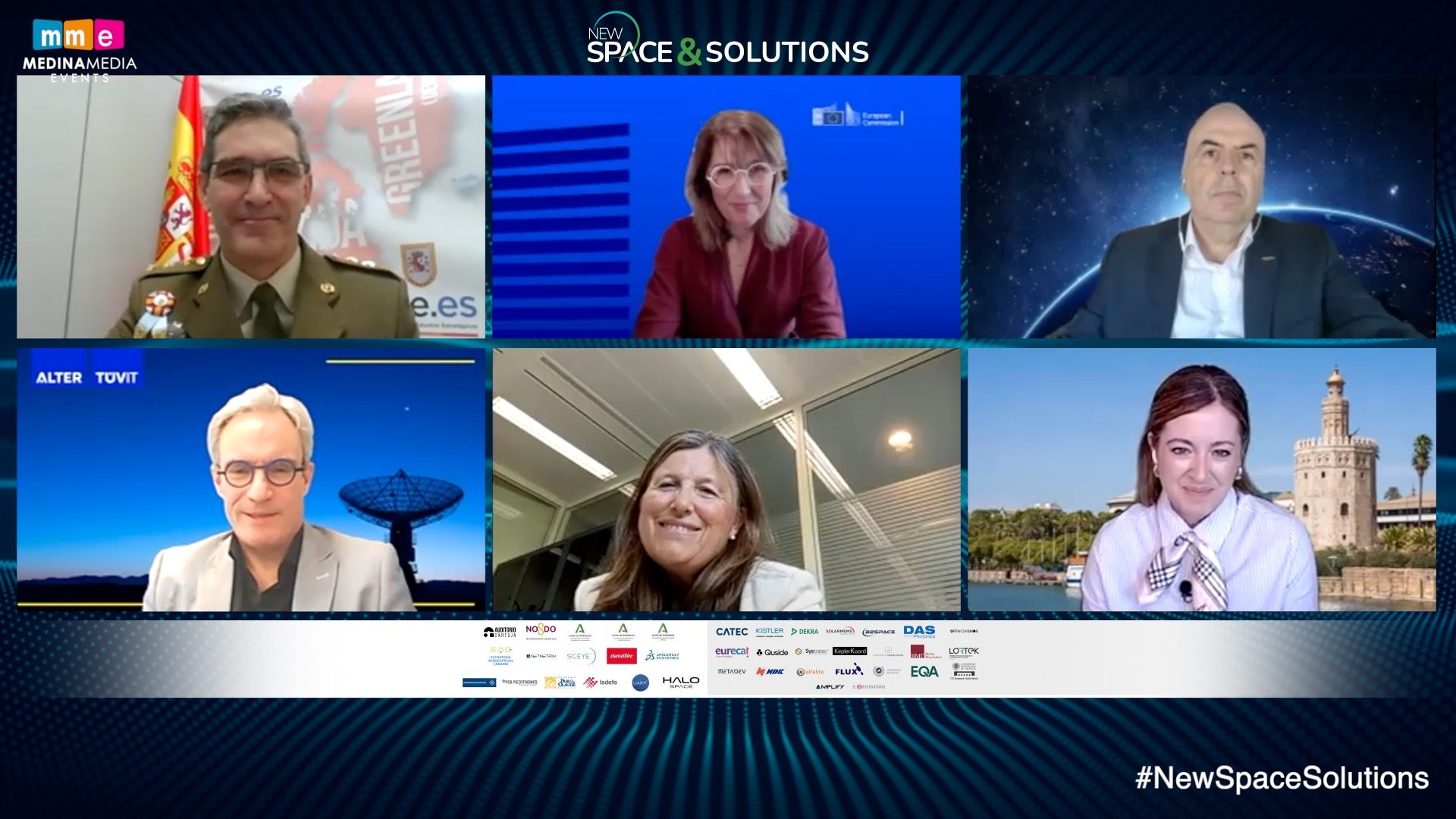
Similarly, Carmen Sillero, Senior Analyst for Economics and Policy at the European Commission’s Joint Research Centre, highlighted the potential of the regional sector, noting that “the Andalusian space ecosystem, although still small, has enormous potential for growth and international positioning”, and David Núñez, Hi-Rel Semiconductors Division Director at Alter Technology, highlighted the need to move forward in coordination to compete globally, noting that the challenge is “to bring scale and a unified voice from Andalusia”. The panel concluded with a shared view: the region is no longer a promise, but “a vibrant, active ecosystem with real growth potential”, ready to play a leading role in the future of European New Space.
All the conferences from New Space & Solutions will be available to watch on demand via The Observatory, the digital platform of Medina Media Events, where each conference will be available 24 hours a day, 365 days a year, free of charge.
The second edition of New Space & Solutions is organised by Medina Media Events and is supported by Seville City Council; the Regional Ministry of Universities, Research and Innovation of the Regional Government of Andalusia; the Regional Ministry of Sustainability and the Environment; the Regional Ministry of Industry, Energy and Mines; Canary Islands Aerospace Strategy (Government of the Canary Islands), Netmetrix, Sceye, Datatec Instruments, Rohde & Schwarz, Dassault Systèmes, PCB Piezotronics, Pablo de Olavide University, CATEC, Isdefe, UARX, HALO Space, Kistler, Eurecat, DEKRA, Open Cosmos, Solar MEMS, B2Space, DAS Photonics, Quside, Systratec, Keplerkoord, Augusta Abogados, Bufete Mas y Calvet, LORTEK, Flux, Metadev, NDK, Alfalite, the University of Málaga, EQA, the Polytechnic University of Valencia and Amplify, amongst others.